The Chiang Mai Chamber of Commerce has partnered with BSGF Co., Ltd. and Thanachok Vegetable Oil (2012) Co., Ltd. to manage used cooking oil.
Last updated: 10 Dec 2025 | 3352 Views |

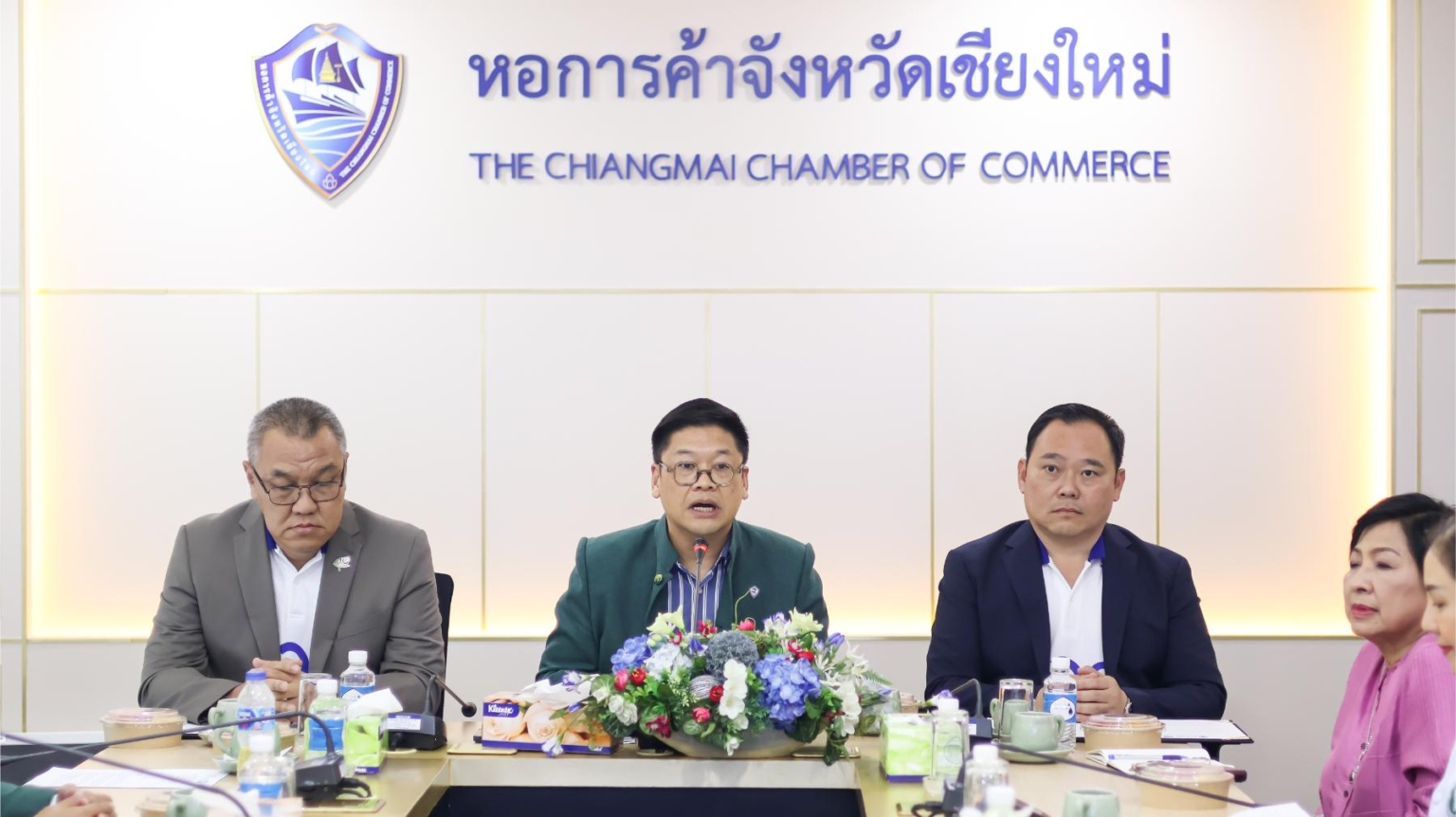
The Signing Ceremony of the Memorandum of Understanding on the Process of Managing Used Cooking Oil for the Production of Sustainable Aviation Fuel (SAF)
On 28 May 2024, the Chiang Mai Chamber of Commerce, led by Mr. Julanit Wangwiwat, Chairman, together with BSGF Co., Ltd. and Thanachok Vegetable Oil (2012) Co., Ltd., participated in the signing ceremony of a Memorandum of Understanding on the process of managing used cooking oil to produce Sustainable Aviation Fuel (SAF). The collaboration aims to reduce environmental impacts and promote better consumer health. The ceremony took place at the Chiang Mai Chamber of Commerce Office.
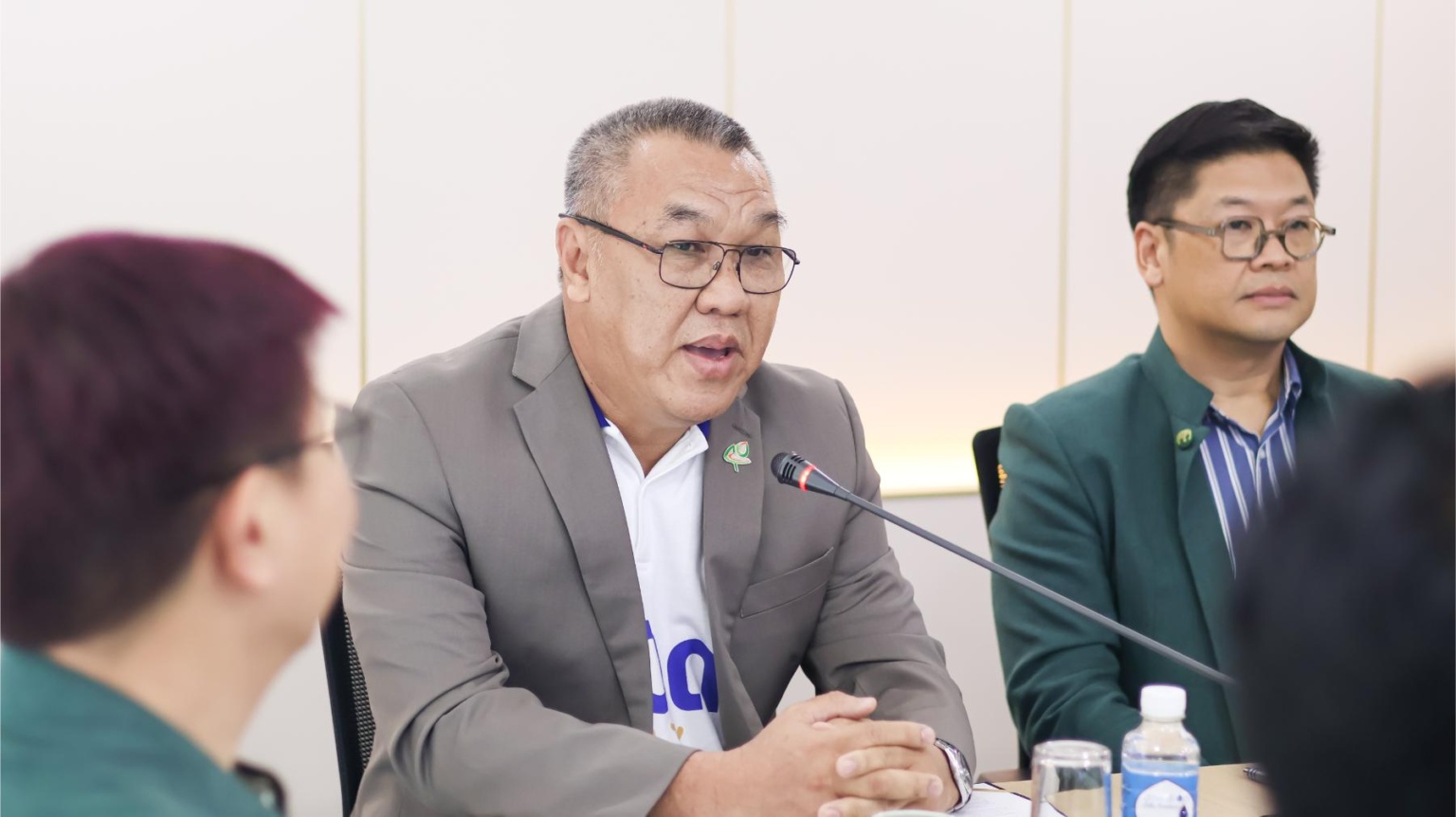
Mr. Thammarat Prayunsuk, Deputy Chief Executive Officer of Refinery and Oil Trading Business Group, Bangchak Corporation Public Company Limited, and Chairman of the Board of BSGF Co., Ltd., stated that BSGF represents another green innovation for sustainability that Bangchak Group prioritizes in strengthening the nation’s energy security. As the first producer in Thailand of Sustainable Aviation Fuel (SAF) made from Used Cooking Oil (UCO), this advancement marks a new era in the renewable energy sector, which is transitioning toward clean energy through green innovations.
Sustainable Aviation Fuel, or SAF, is a biofuel produced from used cooking oil and can be immediately adopted by the global aviation industry as a drop-in replacement for fossil-based jet fuel, without any adverse impact on aircraft engines. BSGF and the Thanachok Group are committed to environmental stewardship and improving the quality of life and health of the Thai people by purchasing used cooking oil (UCO) and converting it into Sustainable Aviation Fuel (SAF).
Sustainable Aviation Fuel (SAF), as a replacement for fossil-based jet fuel, at a production volume of 1 million liters per day, can reduce carbon dioxide emissions by approximately 80,000 tons of CO₂ equivalent per year. This reduction in greenhouse gas emissions from the use of biofuel contributes to mitigating global warming. SAF produced from used cooking oil provides economic, social, and environmental benefits and fully aligns with the BCG Economy Model—from the Bio-economy, which focuses on using biological resources to create high-value products; to the Circular Economy, which emphasizes maximizing the reuse of materials; and the Green Economy, which advances economic development in balance with social well-being and environmental protection, ensuring long-term stability and sustainability.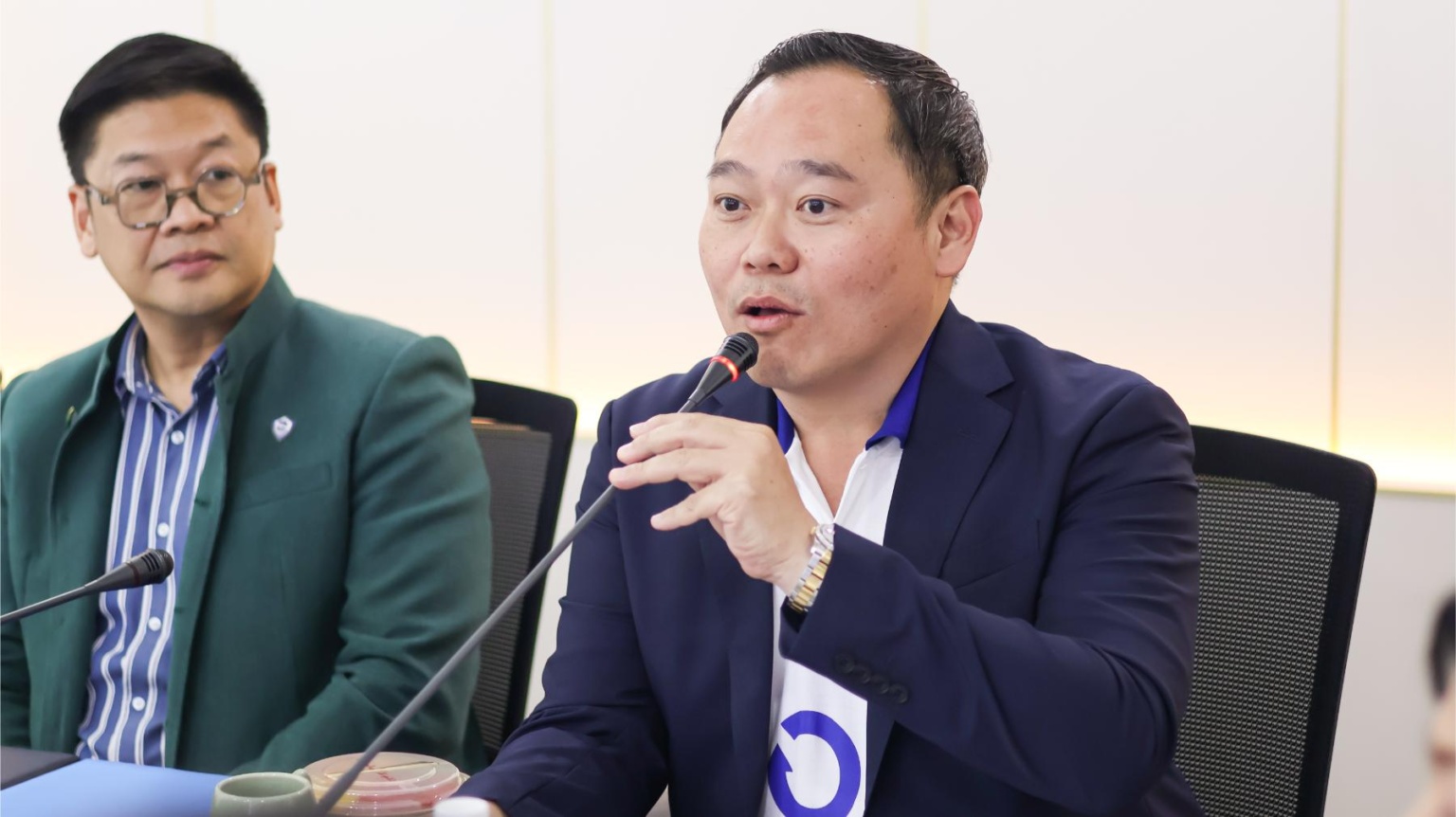
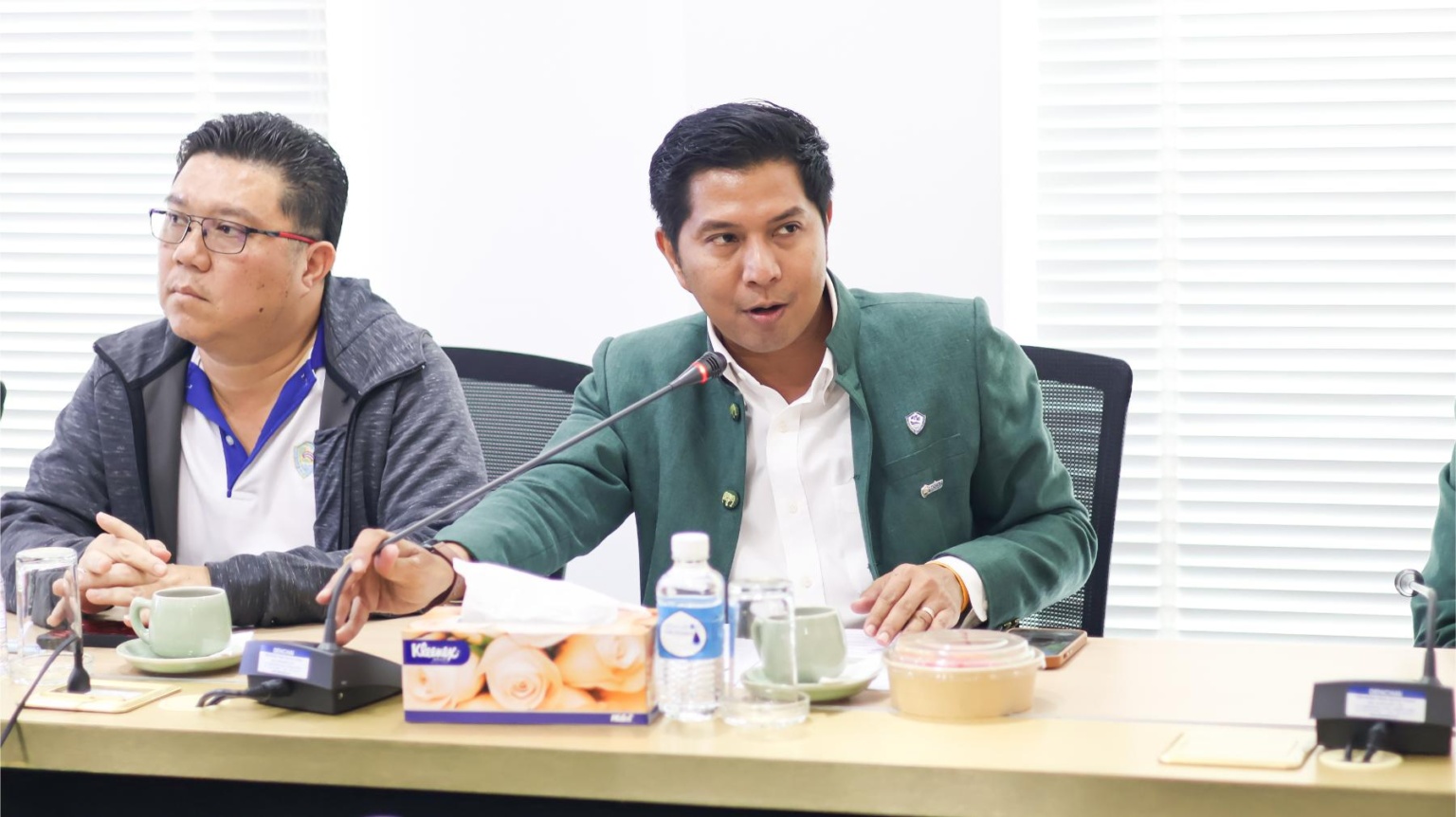
All three parties will work together to promote participation from all sectors in driving the economy, protecting the environment, and enhancing public health through the “No Waste Frying” and “No Reuse Frying” initiatives to generate comprehensive and effective benefits for all.
Objectives of the “No Waste Frying” Project
Currently, Thai people consume approximately 1 billion liters of cooking oil per year, with around 250–300 million liters of used oil remaining after frying. This leftover oil is the source of “reused frying oil,” which is already degraded. Used cooking oil (UCO) is a type of waste that can be converted into income by allowing households to sell their used oil. This also ensures proper disposal of UCO—classified as waste from food preparation—by recycling it into SAF, thereby maximizing resource efficiency.
Instead of discarding used oil in public areas such as landfill sites, soil, drainage systems, or water sources—which can cause environmental damage and generate greenhouse gases—households can sell UCO through Bangchak service stations at 162 branches nationwide, as well as through organizations collaborating with BSGF, Thanachok Group, and partners such as provincial chambers of commerce.
This initiative helps reduce the volume of UCO discarded into public areas and prevents UCO from being illegally refined and reintroduced into the market for cooking purposes. As a result, it reduces the health risks associated with consuming reused frying oil and improves environmental quality through proper waste-to-value processing.
Objectives of the “No Reuse Frying” Project
“Reused frying oil” undergoes physical and chemical changes that produce harmful compounds posing hidden dangers to human health—risks that consumers may not easily recognize. Awareness is therefore essential for prevention. The project aims to establish a network of safe food operators and to enhance consumer confidence in food safety by encouraging food businesses not to reuse frying oil.
Certified restaurants participating in the project will receive official recognition confirming that they do not reuse frying oil and that they sell their used cooking oil to BSGF Co., Ltd. and companies within the Bangchak Group for SAF production. This contributes to better health and well-being for consumers through the assurance of food prepared with safe and trusted cooking oil.
Remarks from the Department of Health, Ministry of Public Health
The Department of Health outlined its goals for the “No Reuse Frying” initiative as follows:
• Certification for restaurants that do not reuse cooking oil
Government agencies are collaborating with the private sector to raise awareness among food operators about the dangers of reused frying oil. Through this partnership, public food safety is enhanced, enabling consumers to access safe, standardized food bearing certified symbols from reputable authorities. Consumers can therefore make informed choices by selecting meals from certified establishments.
• Establishing standards for cooking oil usage
The initiative promotes public awareness of the harmful compounds found in reused frying oil, which contribute to non-communicable diseases (NCDs). Avoiding food prepared with reused oil reduces health risks. The project also encourages food operators to follow proper cooking oil standards, further boosting consumer confidence through certification in the “No Reuse Frying” program. This contributes to better public health by offering safe food choices.
Statement from the Chiang Mai Chamber of Commerce
Mr. Julanit Wangwiwat, Chairman of the Chiang Mai Chamber of Commerce, stated that the Chamber aims to support and encourage its members—especially food businesses, bakeries, and hotels in Chiang Mai—to manage their used cooking oil more effectively by channeling it into sustainable aviation fuel production. This initiative helps Thailand progress toward its national goal of achieving net-zero greenhouse gas emissions by 2050.
The Chamber also supports building knowledge and awareness among both vendors and consumers regarding the dangers of reused frying oil, thereby promoting better public health.
This mission aligns with the core objectives of the Chiang Mai Chamber of Commerce: to foster collaboration with partner organizations for the benefit of members and society, while simultaneously advancing economic development, quality of life, and environmental sustainability.
Related content


